
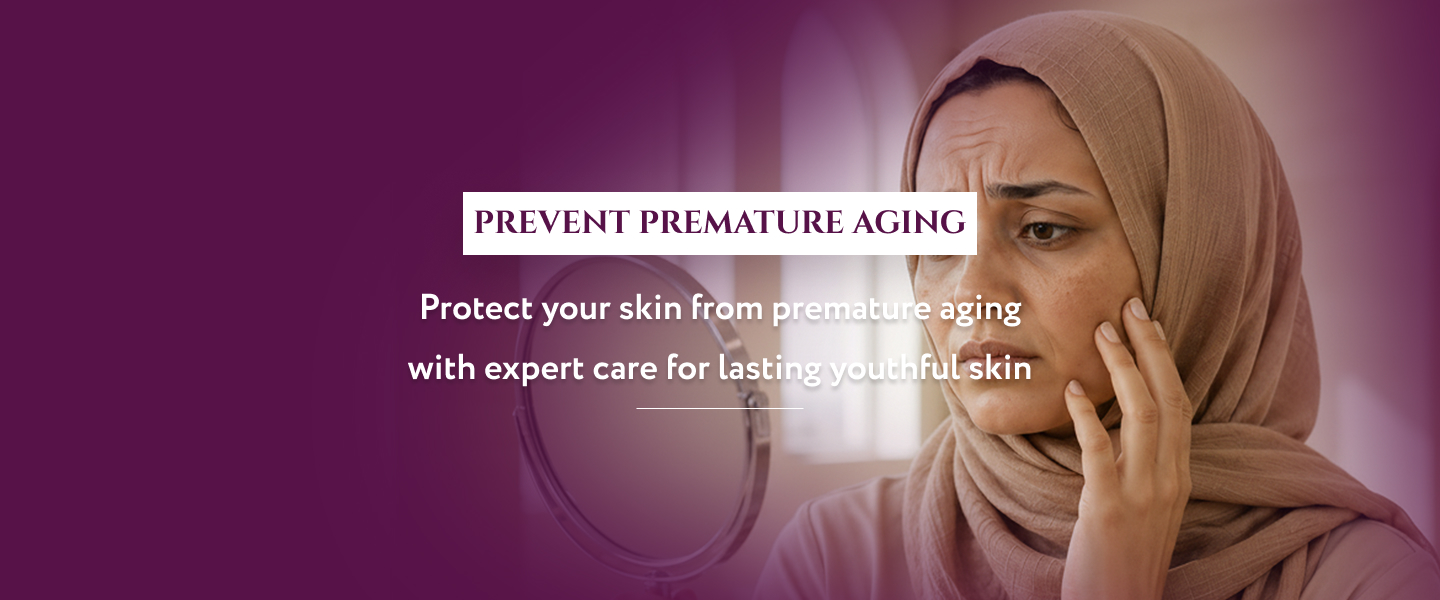
Protecting the skin from premature aging through dermatologist-approved skincare, healthy habits, and professional treatments.
“Your skin tells your story but what if it’s telling the wrong age?”
Have you ever looked in the mirror and noticed fine lines, dullness, uneven skin tone, or wrinkles appearing earlier than expected? While aging is a natural process, premature skin aging isn’t always inevitable. In many cases, everyday habits, environmental factors, and lifestyle choices accelerate the aging process long before your skin should show these changes.
The good news? Most of the factors that contribute to premature aging are within your control.
Whether you’re in your 20s hoping to preserve youthful skin or looking to reduce visible signs of aging later in life, the right skincare routine and healthy lifestyle can make a remarkable difference.
In this comprehensive guide, we’ll explore what causes premature aging, the warning signs to watch for, and dermatologist-recommended strategies to help keep your skin healthy, radiant, and youthful for years to come.
What Is Premature Skin Aging?
Premature skin aging refers to the appearance of aging signs earlier than expected due to external and internal factors.
Unlike natural aging which gradually occurs over time, premature aging is often triggered by preventable causes such as excessive sun exposure, pollution, smoking, dehydration, poor nutrition, stress, and inadequate skincare.
Common signs include:
- Fine lines and wrinkles
- Sagging skin
- Dryness
- Loss of elasticity
- Uneven skin tone
- Pigmentation
- Enlarged pores
- Dull complexion
Understanding these causes is the first step toward protecting your skin.
Why Does Skin Age Prematurely?
Skin aging is influenced by both intrinsic (natural) and extrinsic (environmental) factors.
1. Sun Exposure (UV Damage)
Ultraviolet (UV) rays are one of the biggest contributors to premature aging.
Prolonged exposure damages collagen and elastin fibers, leading to:
- Wrinkles
- Sunspots
- Uneven pigmentation
- Loss of firmness
- Rough skin texture
Even on cloudy days, UV rays continue to affect your skin.
2. Air Pollution
Tiny pollutants settle on your skin daily, generating free radicals that damage skin cells.
Over time, pollution can cause:
- Pigmentation
- Inflammation
- Dull skin
- Faster collagen breakdown
3. Smoking
Smoking significantly reduces blood circulation to the skin.
It also destroys collagen, making skin appear:
- Thin
- Dry
- Wrinkled
- Uneven
Repeated facial movements while smoking further contribute to wrinkles around the mouth.
4. Poor Diet
Your skin reflects what you eat.
High sugar intake contributes to glycation, a process that damages collagen and elastin, leading to:
- Loss of firmness
- Wrinkles
- Dull appearance
5. Chronic Stress
Stress increases cortisol levels, which may:
- Trigger inflammation
- Slow skin repair
- Cause acne flare-ups
- Accelerate aging
6. Lack of Sleep
During sleep, your body repairs damaged skin cells.
Insufficient sleep may lead to:
- Dark circles
- Puffiness
- Reduced collagen production
- Tired-looking skin
Early Signs of Premature Aging
Many people assume wrinkles are the first sign of aging, but several changes appear much earlier.
Watch for:
- Persistent dryness
- Fine lines around the eyes
- Uneven skin tone
- Pigmentation
- Rough texture
- Enlarged pores
- Loss of skin firmness
- Dull complexion
- Crow’s feet
- Neck lines
Early intervention often delivers the best long-term results.
10 Effective Ways to Protect Your Skin From Premature Aging
1. Wear Sunscreen Every Day
Daily sunscreen is one of the most effective ways to protect your skin.
Choose a broad-spectrum sunscreen with SPF 30 or higher and reapply every two hours when outdoors.
Don’t forget often-missed areas like:
- Neck
- Ears
- Hands
- Lips
Consistent sun protection helps reduce UV damage, pigmentation, and premature wrinkles.
2. Build a Consistent Skincare Routine
Healthy skin thrives on consistency rather than complexity.
A simple routine typically includes:
Morning:
- Gentle cleanser
- Antioxidant serum (such as Vitamin C)
- Moisturizer
- Sunscreen
Evening:
- Cleanser
- Treatment serum (if recommended)
- Moisturizer
Using products suited to your skin type helps maintain a healthy skin barrier.
3. Stay Hydrated
Hydration supports healthy skin function.
Drink adequate water throughout the day and use moisturizers containing ingredients like:
- Hyaluronic acid
- Ceramides
- Glycerin
Well-hydrated skin often appears smoother and more radiant.
4. Eat Skin-Friendly Foods
Nutrition plays an important role in skin health.
Include foods rich in:
- Vitamin C
- Vitamin E
- Omega-3 fatty acids
- Zinc
- Selenium
- Antioxidants
Examples include berries, citrus fruits, leafy greens, nuts, seeds, fatty fish, and colorful vegetables.
5. Get Enough Sleep
Aim for 7–9 hours of quality sleep each night.
Healthy sleep supports:
- Skin repair
- Collagen production
- Reduced inflammation
- Improved skin appearance
6. Avoid Smoking
Quitting smoking benefits both your overall health and your skin.
Improved circulation can help support healthier-looking skin over time.
7. Exercise Regularly
Physical activity improves blood circulation, helping deliver oxygen and nutrients to the skin.
Regular exercise also supports stress management, which may positively affect skin health.
8. Manage Stress
Consider incorporating stress-reducing practices such as:
- Meditation
- Yoga
- Deep breathing
- Walking
- Mindfulness
Reducing stress may help minimize inflammation related skin concerns.
9. Avoid Excessive Sugar
Limiting sugary foods and processed snacks can help reduce glycation, which contributes to collagen breakdown.
A balanced diet supports healthier skin over time.
10. Schedule Regular Skin Check-Ups
A dermatologist can assess your skin, identify early concerns, and recommend personalized skincare or treatments based on your needs.
Professional Treatments That May Help Maintain Youthful Skin
While a consistent skincare routine, healthy diet, and sun protection form the foundation of youthful skin, professional dermatological treatments can provide targeted support for concerns such as fine lines, uneven texture, pigmentation, reduced elasticity, and volume loss. These treatments are designed to complement not replace your daily skincare habits.
It’s important to remember that there is no one-size-fits-all treatment plan. The ideal approach depends on your age, skin type, lifestyle, concerns, and long-term aesthetic goals. A qualified dermatologist can assess your skin and recommend a personalized treatment schedule for safe and effective results.
Below are some of the most popular professional anti-aging treatments and how they work.
1. Medical Grade Chemical Peels
Chemical peels use specially formulated medical-grade solutions to gently exfoliate the skin by removing damaged outer layers. This process stimulates natural skin renewal, revealing a smoother, brighter, and healthier complexion.
Unlike over-the-counter exfoliating products, medical grade peels are customized to suit different skin types and concerns, making them both safe and effective when performed by trained professionals.
Benefits
- Reduces fine lines and early wrinkles
- Improves uneven skin tone
- Fades acne scars and pigmentation
- Smooths rough skin texture
- Enhances skin radiance
- Encourages collagen production
Recommended Frequency
- Light peels: Every 3–4 weeks
- Medium peels: Every 3–6 months
- Deep peels: Usually once every few years, depending on individual needs
Your dermatologist will determine the appropriate peel strength and schedule based on your skin condition.
2. HydraFacial Treatments
HydraFacial is a non-invasive, multi-step facial treatment that deeply cleanses, exfoliates, extracts impurities, and infuses the skin with hydrating and antioxidant-rich serums. It delivers instant results with minimal downtime, making it a popular option for maintaining healthy-looking skin.
The treatment is suitable for most skin types and can help improve hydration while giving the skin a refreshed appearance.
Benefits
- Deeply cleanses pores
- Improves skin hydration
- Brightens dull skin
- Smooths skin texture
- Reduces congestion and oil buildup
- Creates a healthy glow
Recommended Frequency
For most individuals, a HydraFacial every 4–6 weeks helps maintain optimal skin hydration and radiance. Those with oily or acne-prone skin may benefit from more frequent treatments as advised by their dermatologist.
3. Microneedling
Microneedling, also known as collagen induction therapy, uses fine sterile needles to create controlled micro injuries in the skin. This process stimulates the body’s natural healing response, encouraging the production of collagen and elastin, two proteins essential for firm, youthful skin.
Because collagen production continues for several weeks after treatment, improvements become more noticeable over time.
Benefits
- Softens fine lines and wrinkles
- Improves acne scars
- Refines enlarged pores
- Enhances skin firmness
- Improves skin texture
- Supports natural collagen production
Recommended Frequency
A typical treatment plan includes 3–6 sessions spaced 4–6 weeks apart, followed by maintenance sessions every 6–12 months, depending on your skin goals.
4. Laser Skin Rejuvenation
Laser skin rejuvenation uses advanced laser technology to target damaged skin cells while stimulating collagen production beneath the skin’s surface. Different laser systems address concerns such as pigmentation, redness, sun damage, wrinkles, and uneven texture.
Treatment intensity varies based on the type of laser used and the individual’s skin concerns.
Benefits
- Improves skin tone and texture
- Reduces pigmentation and sunspots
- Softens wrinkles
- Stimulates collagen remodeling
- Improves overall skin quality
- Helps minimize enlarged pores
Recommended Frequency
Many patients achieve noticeable improvement after 1–3 sessions, though some concerns may require additional treatments. Maintenance treatments are often recommended every 12–18 months, depending on skin condition and lifestyle factors.
Choosing the Right Treatment Plan
The most effective anti-aging strategy combines daily skincare, sun protection, healthy lifestyle habits, and professionally guided treatments. Rather than relying on a single procedure, many patients benefit from a personalized treatment plan tailored to their skin’s unique needs.
At Royal Dutch Clinic, our experienced dermatologists carefully assess your skin condition, discuss your concerns, and recommend evidence-based treatment options designed to help you achieve healthy, natural-looking results while prioritizing your safety and long-term skin health.
Common Myths About Skin Aging
Myth 1: Only Older Adults Need Sunscreen
Fact: UV damage begins early in life, making daily sun protection important for all ages.
Myth 2: Expensive Products Always Work Better
Fact: Effective skincare depends on ingredients and consistency, not price alone.
Myth 3: Oily Skin Doesn’t Age
Fact: Oily skin can still develop wrinkles, pigmentation, and loss of elasticity.
Myth 4: Drinking Water Alone Prevents Wrinkles
Fact: Hydration supports skin health, but it should be combined with sun protection, skincare, and healthy lifestyle habits.
Frequently Asked Questions
At what age should I start an anti-aging skincare routine?
Many dermatologists recommend focusing on prevention in your 20s with daily sunscreen, gentle cleansing, moisturizing, and antioxidant rich skincare.
Can premature aging be reversed?
Some visible signs may improve with appropriate skincare and dermatologist-recommended treatments, while prevention remains the most effective long-term strategy.
Is sunscreen necessary indoors?
If you’re exposed to sunlight through windows or spend time outdoors during the day, sunscreen is generally recommended as part of a daily skincare routine.
Which foods support healthy skin?
A balanced diet that includes fruits, vegetables, healthy fats, lean proteins, and antioxidant-rich foods can contribute to overall skin health.
Should I consult a dermatologist before trying anti-aging treatments?
Yes. A dermatologist can evaluate your skin and recommend treatments that are safe and appropriate for your individual concerns.
Final Thoughts
Healthy, youthful skin isn’t achieved through a single miracle product; it’s the result of consistent care, healthy habits, and informed decisions. Daily sun protection, a balanced skincare routine, proper nutrition, quality sleep, and stress management all play a role in maintaining your skin’s appearance over time.
If you’re noticing early signs of aging or would like personalized guidance, consulting a qualified dermatologist can help you understand your options and create a skincare plan tailored to your needs.
At Royal Dutch Clinic, our experienced skincare professionals provide personalized consultations and evidence-based aesthetic and dermatology treatments designed to support your long-term skin health. Whether your goal is prevention or addressing existing concerns, we’re here to help you make informed choices for healthier, more confident skin.